All Categories
Featured
Table of Contents
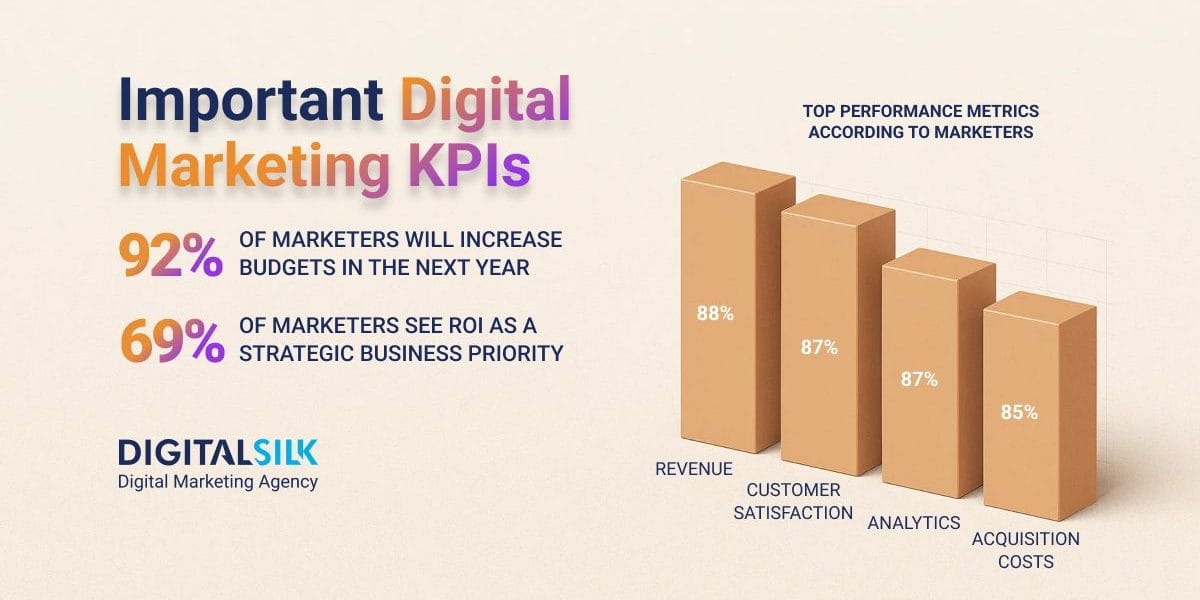

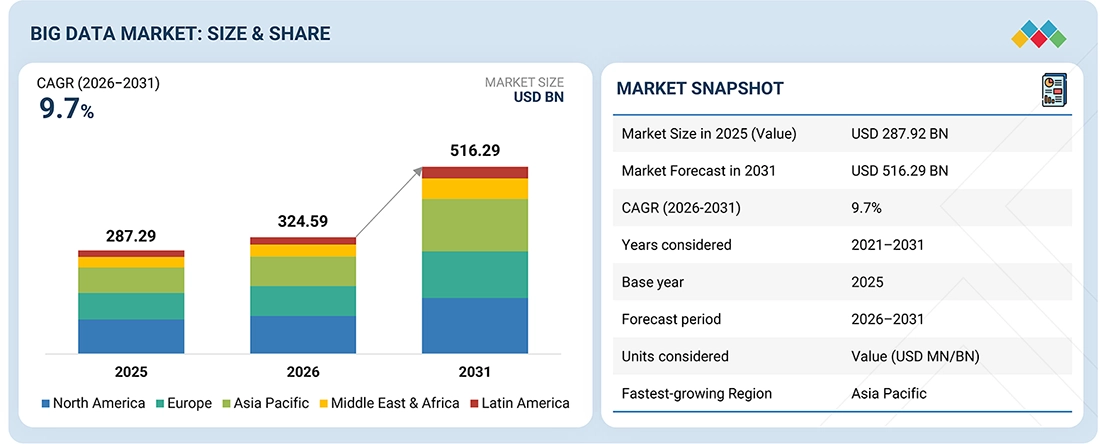
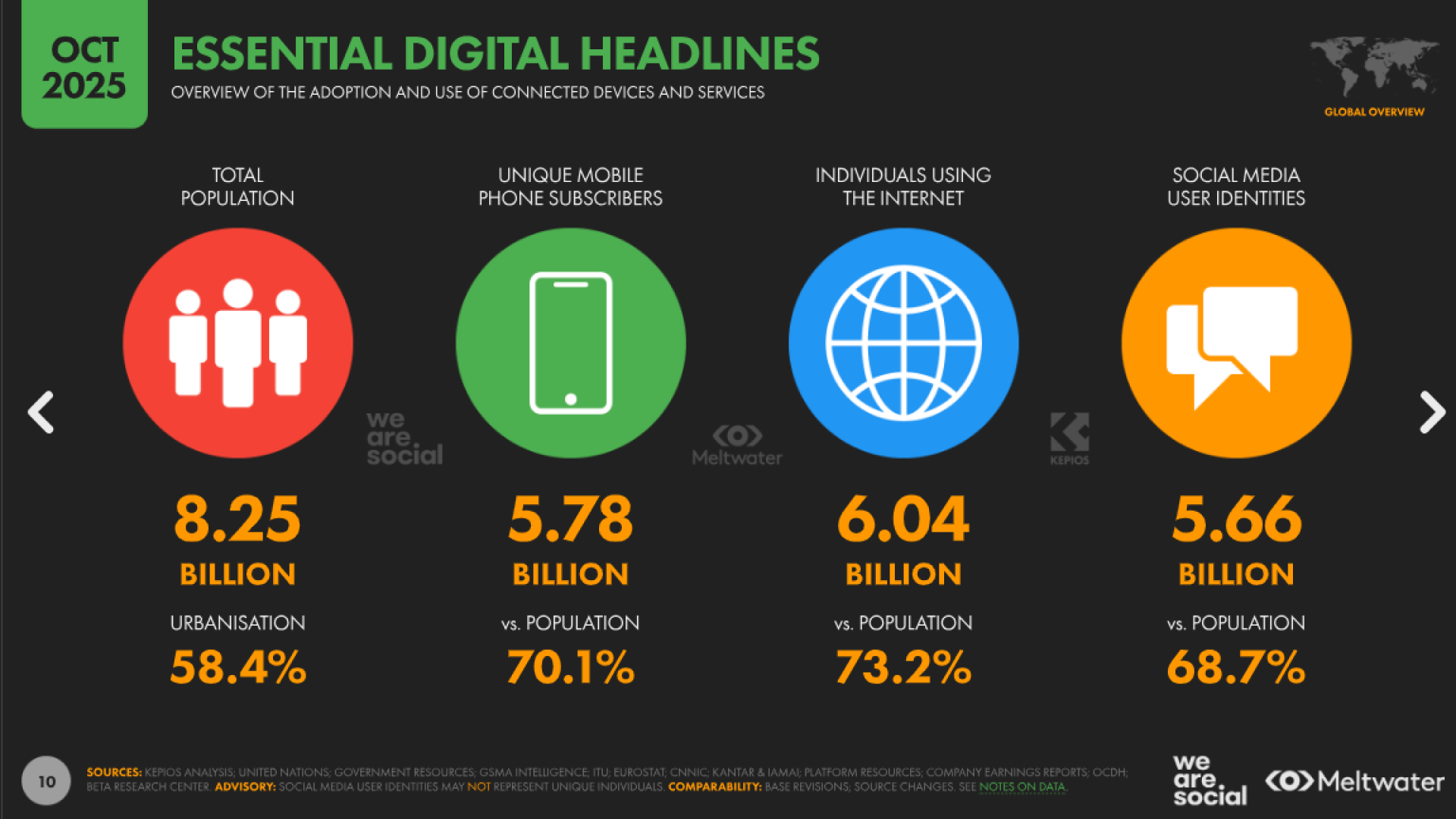
The marketing environment in 2026 has shifted away from traditional interruptive advertising toward a model built on genuine participation. Community-led growth (CLG) is no longer a side project for social media managers. It has become a core driver of business value. In this era, the most successful organizations treat their users as partners rather than just targets for a sales pitch. This approach relies on the idea that an active, engaged group of customers can provide more sustainable growth than any paid acquisition campaign.

Data shows that customers who participate in community spaces stay longer and spend more. This is because they find value beyond the product itself. They find support, education, and a sense of belonging. Businesses finding success often credit their investment in Digital Influence for these gains. By prioritizing these connections, companies can lower their acquisition costs while increasing the lifetime value of every individual who enters their orbit. The focus is on creating a self-sustaining loop where users help other users, reducing the strain on official support teams.
The year 2026 has brought new tools that make it easier to measure these interactions. We see a move toward zero-party data, where users willingly share their preferences and needs within community discussions. This information is far more accurate than third-party tracking cookies, which have largely disappeared. Marketing teams use this data to personalize the experience for each member, ensuring that the community remains relevant as it scales. It is about moving from a broadcast model to a conversational one.
Metrics that Matter for Digital Expansion
Tracking the success of community initiatives requires a shift in mindset. Traditional metrics like clicks and impressions do not tell the whole story. In 2026, growth leaders look at "Community Qualified Leads" (CQLs) and "Net Retention Impact." These metrics track how community participation influences a user's likelihood to renew their subscription or upgrade their service. It is a more nuanced way of looking at the funnel. Instead of a linear path, the customer experience is seen as a series of touchpoints within a larger group.
Retention is the primary goal. When a user feels like part of a collective, the cost of switching to a competitor increases. This "social moat" is a powerful defense against market volatility. Professional Digital Influence Strategies remains a common solution for identifying high-value users who are likely to become advocates. These advocates are the lifeblood of a CLG strategy. They answer questions, provide feedback on new features, and even create content that draws in new members. This organic promotion is highly effective because it comes from a place of authenticity rather than a corporate script.
Analyzing these metrics requires a modern data stack. Companies are no longer satisfied with vague engagement scores. They want to see the direct correlation between a community post and a product purchase. By 2026, attribution models have become sophisticated enough to track these paths across different platforms. This level of visibility allows marketing teams to justify larger budgets for community building, as they can prove the return on investment in concrete terms.
Mapping the Customer Lifecycle through Data
Customer lifecycle marketing in 2026 is built on the foundation of real-time data. Every stage of the customer's time with a brand can be enhanced through community interactions. From the first moment of discovery to the point of long-term advocacy, the community provides a space for growth. This is not a one-size-fits-all approach. Different segments of the user base require different types of support and engagement.
The discovery phase is often where community-led growth starts. Potential customers are looking for honest reviews and real-world use cases. They often find these in public forums or gated community spaces. By providing these spaces, brands can influence the research process without being overly promotional. Marketing teams often look for Digital Influence for Knowledge Brands when their internal data silos become too large, as these external perspectives provide a clearer picture of market needs.
Onboarding and Early Adoption
The first 30 days are critical for any new user. In 2026, community-led onboarding has replaced many traditional email drip campaigns. New members are often welcomed by peers who have already mastered the product. This peer-to-peer education reduces the learning curve and helps users reach their first "aha moment" faster. When a user gets stuck, they can search a community knowledge base or ask a question in a dedicated channel. This immediacy is vital for preventing early churn.
Data from these early interactions provides valuable insights for product teams. If many new users are asking the same question, it indicates a flaw in the product design or documentation. By monitoring these conversations, companies can identify and fix issues before they lead to a mass exit of customers. This proactive approach to lifecycle marketing ensures that the onboarding process is always improving based on actual user behavior.
Retention and Power Users
As users become more proficient, their needs change. Power users are looking for advanced tips, early access to new features, and a direct line to the product team. A well-managed community offers these rewards in exchange for continued loyalty and participation. This stage of the lifecycle is about deepening the relationship. It is where the community becomes a place for co-creation.
Identifying these power users is a data-driven process. Growth teams track participation frequency, the quality of contributions, and the sentiment of their posts. Those who consistently help others are invited into "inner circle" programs. These programs provide a sense of status and exclusive benefits, which further reinforces their commitment to the brand. This strategy turns customers into extensions of the company's own team, creating a powerful force for long-term stability.
Integrating Specialized Support into Community Channels
Support is often the first point of contact for many community members. However, in 2026, the line between support and marketing has blurred. Community-led support is not just about fixing problems; it is about building trust. When a company is transparent about its challenges and works openly with its community to solve them, it builds a level of credibility that advertising cannot buy. This transparency is a key differentiator in a crowded market.
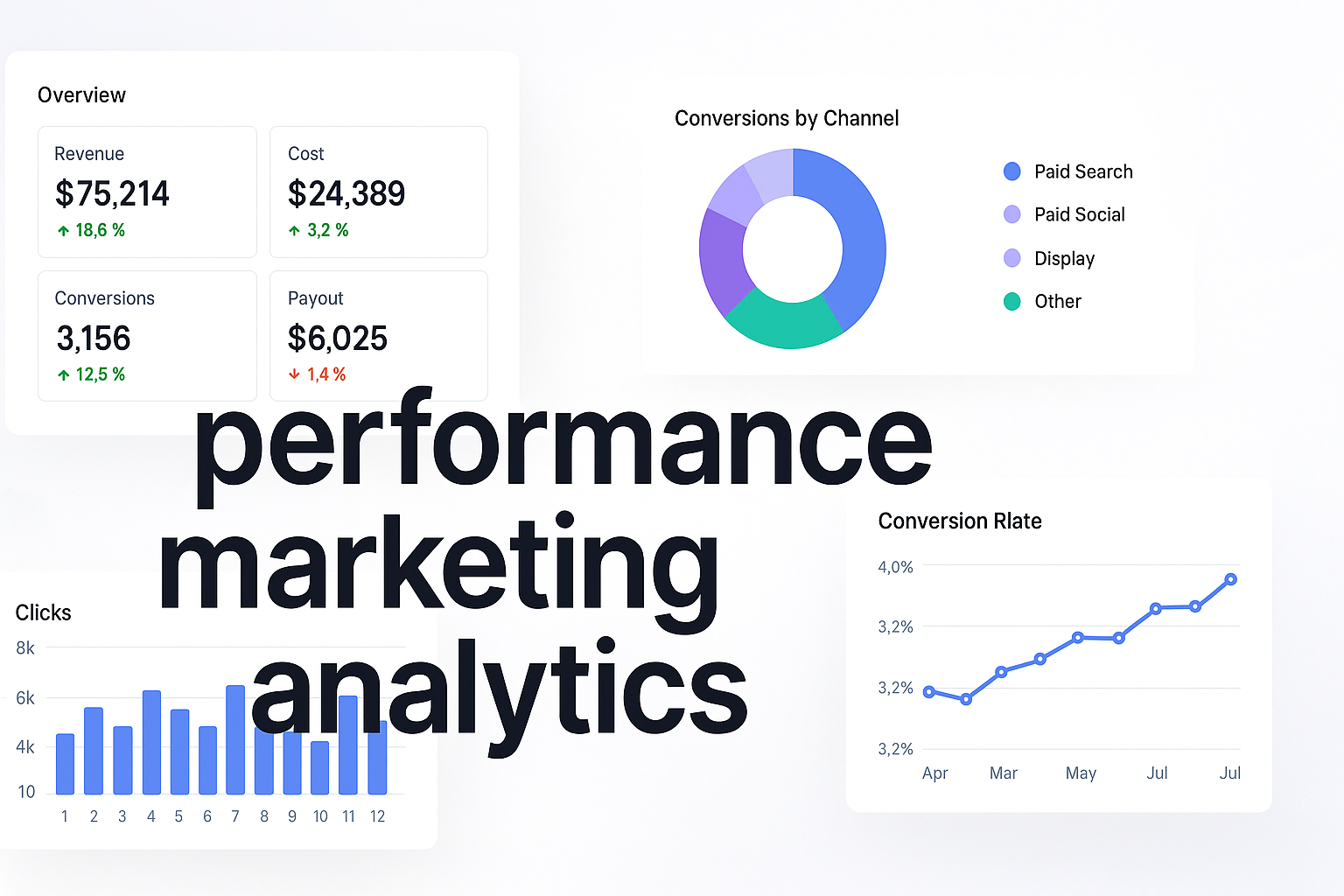
Integrating professional expertise into these channels is essential. While peer-to-peer help is valuable, there are times when an official presence is required. The key is to be helpful without being intrusive. Staff members should participate as members of the community, not as authoritative figures. This humanizes the brand and makes it more approachable. It also allows the company to gather direct feedback in a casual setting, leading to more honest conversations.
Using data to route these support requests is a standard practice in 2026. AI-driven systems analyze the complexity of a community question and determine if it can be handled by a volunteer advocate or if it needs to be escalated to a professional. This ensures that users get the help they need quickly while also keeping the community-led spirit alive. It is a balance of efficiency and human connection.
Technical Infrastructure for 2026
Building a community-led growth channel requires more than just a forum or a chat app. It requires a technical stack that can handle the complexities of modern data. In 2026, the most successful companies use API-first platforms that integrate with their CRM and analytics tools. This allows for a single view of the customer across all touchpoints. When a user makes a comment in the community, that interaction is logged in their profile, giving the sales and support teams more context for future conversations.
Privacy is also a major consideration. With stricter data regulations, community platforms must be built with security in mind. Users expect to have control over their data and how it is used. Brands that prioritize this transparency build stronger bonds with their members. They move away from "tracking" and toward "consensual data sharing." This shift is fundamental to the community-led model, which relies on mutual respect and shared goals.
Automation plays a role in managing large groups, but it must be used carefully. In 2026, AI is used for moderation, sentiment analysis, and content discovery, but the core interactions remain human. Automated systems can flag inappropriate behavior or highlight trending topics, but they cannot replace the genuine connection that comes from person-to-person conversation. The technology should exist to facilitate these connections, not replace them.
Challenges in Scaling Digital Communities
Scaling a community without losing its original culture is one of the biggest challenges businesses face. As a group grows from 100 members to 100,000, the sense of intimacy can be lost. To combat this, many organizations are moving toward "sub-communities" or "chapters." These smaller groups allow members to connect over specific interests or locations, maintaining a sense of closeness even within a large organization.
Quality control is another issue. In a large community, the volume of noise can drown out the valuable signal. 2026 growth strategies focus on "reputation systems" that reward high-quality contributions. Members earn badges or points for being helpful, and these rewards determine their visibility within the group. This gamification encourages positive behavior and ensures that the most useful information rises to the top. It is a self-policing mechanism that keeps the community healthy as it expands.
Finally, there is the challenge of "community fatigue." In an age where everyone is trying to build a community, users are becoming more selective about where they spend their time. Brands must provide real, tangible value to keep people coming back. This means moving beyond simple discussion boards and offering exclusive events, educational resources, and direct influence over the product's future. The community must be a place where users feel their time is well spent.
The future of growth is collaborative. By 2026, the companies that thrive will be those that view their customers as their greatest asset. By building robust community-led growth channels and backing them with sophisticated data analysis, these organizations can create a loyal user base that drives innovation and revenue for years to come. The transition to this model requires effort and a change in corporate culture, but the rewards of a more connected and engaged customer base are well worth the investment.

Latest Posts
Anticipating Consumer Behavior with Data Strategy Tools in 2026
Anticipating Consumer Behavior with Data Strategy Tools in 2026
Defining Community-Led Growth in 2026